


06 FEBRUARY 20261 MIN READ
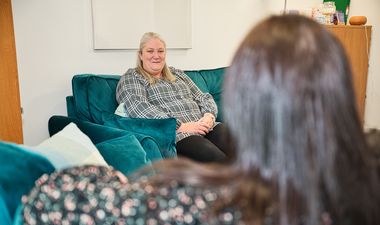
Amy and Rose* - a powerful reminder of what compassion-based care can look like
When we first met Rose*, she’d been homeless for many years. She’d also experienced significant domestic abuse and was living with addiction. She also had no family or support network to turn to.
13 NOVEMBER 20252 MIN READ
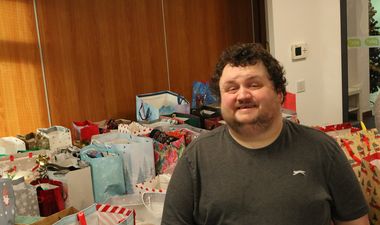
Ryan’s supporting the Shoebox Full of Love Appeal for the fourth-year running!
Ryan is back again for the fourth-year running and is collecting donations on behalf of the Shoebox Full of Love Appeal, a Merseyside charity that gives disadvantaged and homeless people in Merseyside the gift of warm socks, toiletries and food.
24 OCTOBER 20253 MIN READ
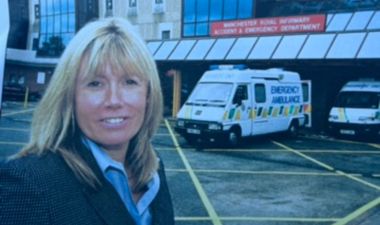
Career after policing – finding purpose with Shared Lives
Life after the force doesn’t have to be just about hanging up the badge. It can be about finding a new way to serve and make a meaningful impact.

10 JULY 20252 MIN READ
From Apprentice to Advocate: My Year on the PSS Board
When I first joined PSS as their inaugural Board Apprentice, I wasn’t quite sure what to expect. I knew I was stepping into a space that not many people who look like me, or share my lived experiences, often get the chance to enter. What I didn’t know was
02 JUNE 20252 MIN READ
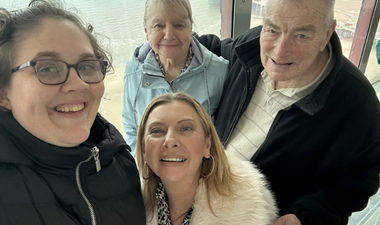
PSS Shared Lives marks a decade of changing lives in Manchester
June marks ten years of PSS Shared Lives in Manchester supporting adults to live happy, independent lives.
25 APRIL 20254 MIN READ
They’re not just students – they’re the future of social care
Recently, I sat in on a PSS Board of Trustees meeting as part of my year-long Board Apprentice experience. I’ve said it before and I’ll say it again – every time I attend, I walk away with new insight, new admiration, and a heart that feels a little fulle
27 MARCH 20253 MIN READ
Leadership with Heart: How PSS Puts People First
In any organisation, policies, strategies, and finances all play a role in shaping its success. But at the heart of it all, the most valuable asset is always people.
13 FEBRUARY 20252 MIN READ
Learning needs are embraced and supported with Shared Lives
When James first started using PSS Shared Lives, life looked very different. He rarely left the house. His learning needs made it tough for him to get out and about, even with support from his parents

30 JANUARY 20253 MIN READ
Fostering adults: ‘everyone deserves a family’
Having a daughter with Down’s syndrome inspired Helena to become a Shared Lives carer. Fostering adults was the lightbulb moment she needed to feel reassured that there’s a place for adults with support needs to live their most independent life